Procedure Detail
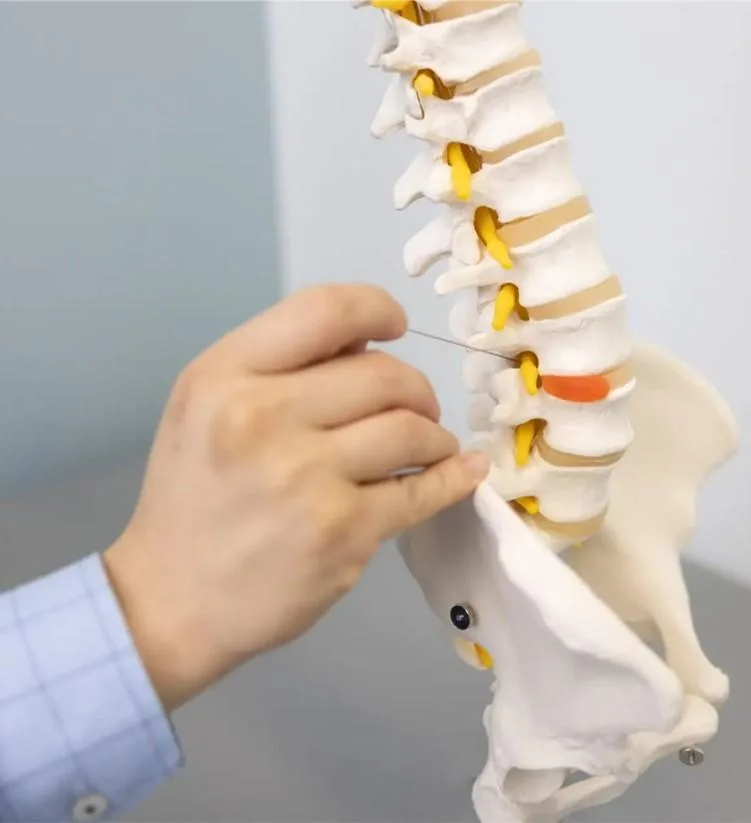
Interlaminar Epidural Injections: Broad-Spectrum Relief for Multilevel Recovery
While a Transforaminal injection (TFESI) is a "precision strike" on a specific nerve root, an
Interlaminar Epidural Injection is a broad-spectrum approach designed to deliver anti-inflammatory
medication and anesthetic across a larger area of the spinal canal. By entering through the
"interlaminar" space—the natural opening between the vertebrae—we can bathe multiple levels of the spine
in a single procedure.
At Goodlife Physical Medicine, we utilize this versatile procedure to address spinal issues at every
level of the back and neck:
- Cervical Interlaminar Epidural: To address radiating pain and inflammation in the neck, shoulders,
and arms.
- Thoracic Interlaminar Epidural: To target pain and nerve irritation in the mid-back and rib cage
area.
- Lumbar Interlaminar Epidural: To treat generalized lower back pain and symptoms radiating into the
legs.
All interlaminar injections are performed under real-time fluoroscopic (X-ray) guidance to ensure the
medication is distributed evenly throughout the epidural space, targeting the chemical inflammation that
drives chronic pain.
Caudal Lumbar Epidural Injections. A specialized version of the interlaminar approach is the Caudal
Lumbar Epidural. Instead of entering between the vertebrae, the injection is performed through the
sacral hiatus—a natural opening at the base of the spine near the tailbone. This approach is particularly
effective for:
- Generalized Lower Back Pain: When symptoms affect a broad area or both legs.
- Post-Surgical Scarring: Bypassing scar tissue from previous surgeries that might obstruct other
injection routes.
- Low-Level Disc Issues: Reaching the very bottom of the spinal canal to address inflammation that is
difficult to access via traditional routes.
Sacroiliac (SI) Joint Injections: Restoring Pelvic Stability for Lasting Mobility
The sacroiliac joints are the critical links between your lower spine (sacrum) and your pelvis (iliac
bones). These joints act as the primary shock absorbers for your upper body, transferring weight and
force to your legs. When these joints become inflamed due to injury, pregnancy, or degenerative changes,
they can cause debilitating pain in the lower back, buttocks, and even radiating down the leg—often
mimicking the symptoms of a herniated disc or sciatica.
An SI Joint Injection is a targeted clinical procedure used to deliver a concentrated dose of
anti-inflammatory medication and anesthetic directly into the joint capsule. At Goodlife Physical
Medicine, we perform these injections using fluoroscopic (X-ray) guidance to ensure the medication is
delivered with sub-millimeter precision into the narrow joint space, providing the most effective relief
possible.
We recognize that the SI joint does not work in isolation; it is a central hub in your body's kinetic
chain. When one SI joint is inflamed, your gait changes, your hips tilt, and your lower back compensates,
leading to a cascade of structural issues. By quieting the acute inflammation, we create a vital window
of mechanical opportunity for our Chiropractors and Physical Therapists.
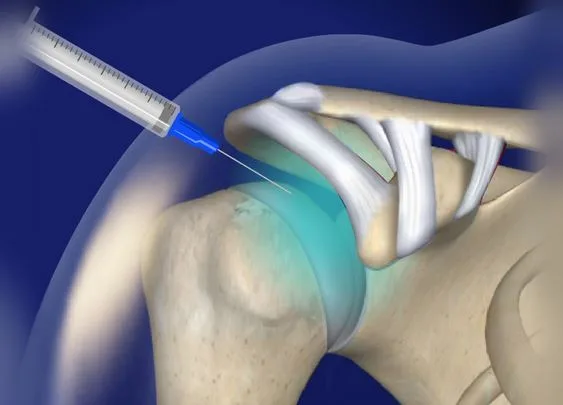
Tendon & Ligament Injections: Restoring the Biological Support System
Tendons and ligaments are the "biological cables" of your body. Tendons connect muscle to bone to
facilitate movement, while ligaments connect bone to bone to provide stability. When these tissues become
overstretched, partially torn, or chronically inflamed, they lose their tension. This leads to joint
instability, which forces your muscles to overwork and causes your joints to wear down prematurely.
A Tendon or Ligament Injection is a targeted clinical procedure used to deliver regenerative or
anti-inflammatory agents—such as Platelet-Rich Plasma (PRP), or localized anti-inflammatories—directly
into the site of injury. We utilize Imaging Guidance to target the damaged tissue in real-time. This
ensures that the treatment is delivered with sub-millimeter precision into the exact site of the tear or
inflammation, maximizing the healing response.
Useful for chronic sprains/strains, overuse injuries (Tennis Elbow, Golfer's Elbow), rotator cuff tears,
Plantar Fasciitis, Achilles tendon pain, ligament laxity, and Jumper's Knee.
Plantar Fascia Injection: Stabilizing the Foundation of Your Kinetic Chain
The plantar fascia is a thick, fibrous band of tissue that runs along the bottom of your foot, connecting
your heel bone to your toes and supporting the arch of your foot. When this tissue becomes chronically
inflamed or develops micro-tears—a condition known as Plantar Fasciitis—it can cause sharp,
stabbing pain, particularly with your first steps in the morning.
A Plantar Fascia Injection is a targeted procedure used to deliver a concentrated dose of
anti-inflammatory medication or regenerative agents directly into the site of the greatest tension and
inflammation. We perform these injections using Ultrasound Guidance, allowing us to visualize the
thickness of the fascia in real-time and ensure the medication is delivered with sub-millimeter precision,
avoiding the fat pad of the heel and targeting the exact source of your pain.
We recognize that your feet are the foundation of your entire skeletal system. When you have plantar
fascia pain, your gait changes—you begin to "offload" the pain by walking differently, which creates a
negative "domino effect" up the kinetic chain, leading to misalignments in your ankles, knees, hips, and
even your lower back.

Botulinum Toxin Therapy for Cervical (Neck) Dystonia
Cervical Dystonia is a neurological condition characterized by involuntary muscle contractions in the
neck, causing the head to twist or turn into painful, abnormal positions. When these spasms do not
improve with conservative therapies alone, Botulinum Toxin Therapy offers a targeted, minimally invasive
clinical intervention.
While Botox® is the most widely recognized name in this class of medication, there are currently
four FDA-approved botulinum toxin treatments available. At Goodlife Physical Medicine, we primarily
utilize Xeomin® (incobotulinumtoxinA). Xeomin provides the same therapeutic results as Botox but
is engineered through a high-precision purification process that removes "accessory proteins." By
delivering only the pure therapeutic component, Xeomin reduces the risk of your body developing
antibodies, which can sometimes cause other brands to become less effective over time.
By using Xeomin to precisely "quiet" the overactive muscles, we create a critical window of physiological
opportunity. With the spasms deactivated, our Chiropractors can more effectively address the underlying
structural misalignments, and our Physical Therapists can work on retraining the muscle groups to
maintain a neutral, healthy posture.
Botulinum Toxin Therapy for Craniocervical & Oromandibular Dystonia
Oromandibular Dystonia is a neurological condition characterized by forceful, involuntary contractions
of the face, jaw, and tongue. For many patients, this manifests as chronic TMJ-style pain, jaw clenching
(bruxism), or a restricted "locked" feeling when trying to open the mouth. Because the muscles of the
jaw are intimately connected to the alignment of the upper neck, these issues often occur
simultaneously—a condition known as Cranio-Cervical Dystonia.
We utilize Botulinum Toxin Therapy to precisely target the primary culprits of jaw dysfunction: the
masseter and pterygoid muscles. While names like Botox® are well-known, we frequently utilize
Xeomin® for these sensitive areas. Xeomin® is a "naked" or pure neurotoxin, meaning it contains
only the therapeutic component without the unnecessary accessory proteins. This minimizes the risk of
developing antibodies, ensuring that your treatment remains effective over the long term.
By injecting the masseter and pterygoid muscles, we "reset" the tension in the Temporomandibular Joint
(TMJ). This pharmacological release acts as a strategic bridge: it quiets the neurological noise in the
jaw, allowing our Chiropractors to correct the upper cervical spine more effectively and enabling our
Physical Therapists to retrain your bite and neck posture without interference.
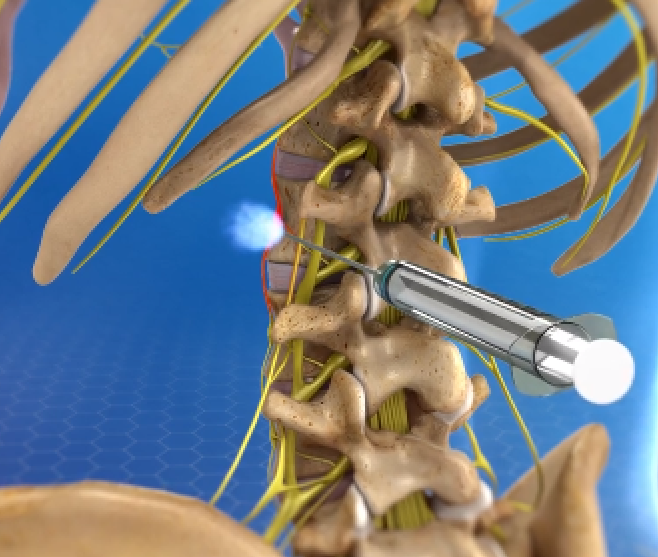
Stellate Ganglion Block (SGB): Calming the Autonomic Nervous System for Systemic Healing
The Stellate Ganglion is a collection of nerves located in the neck that serves as a major relay station
for the sympathetic nervous system—the part of your body responsible for the "fight or flight" response.
A Stellate Ganglion Block involves injecting a local anesthetic into this nerve cluster to
temporarily "mute" overactive sympathetic signaling.
By delivering this block under Ultrasound or Fluoroscopic guidance, we can effectively reset the
autonomic nervous system. This procedure is commonly used to treat chronic pain conditions in the upper
extremities (arms and hands), certain types of headaches, and "sympathetically maintained" pain where
the body's pain receptors have become stuck in a state of high-arousal.
Useful for Complex Regional Pain Syndrome (CRPS/RSD) affecting the arms or hands, chronic "burning" pain
and skin temperature changes in the upper extremities, refractory migraines, certain types of facial pain
(Trigeminal Neuralgia), hyperhidrosis, and post-herpetic neuralgia.
Kyphoplasty: Restoring Spinal Height and Structural Stability
Kyphoplasty is a minimally invasive, image-guided clinical procedure used to treat Vertebral
Compression Fractures (VCFs)—painful "crush" injuries of the spinal vertebrae typically caused by
osteoporosis, trauma, or certain medical conditions. When a vertebra collapses, it not only causes
debilitating pain but also leads to a loss of spinal height and a forward-leaning posture known as
kyphosis.
During the procedure, a small balloon is inserted into the collapsed vertebra and gently inflated to
create a cavity and restore the bone's original height. This space is then filled with a specialized
medical-grade cement (PMMA) that hardens quickly, essentially "casting" the bone from the inside out.
This stabilizes the fracture, prevents further collapse, and provides rapid pain relief.
By utilizing Kyphoplasty to immediately stabilize the structural failure, we "stop the clock" on further
spinal degeneration. This procedure acts as a critical reset, allowing our Chiropractors and Physical
Therapists to step in and address the postural compensations and muscular weaknesses that developed
during the period of injury.

Stem Cells & Exosomes: Activating the Future of Regenerative Bio-Signaling
Stem cells are the body's "master cells," capable of transforming into various types of tissue to
facilitate repair. However, the most cutting-edge science reveals that stem cells don't just "turn into"
new tissue; they act as the
managers of the healing process. They communicate by releasing
Exosomes—tiny, specialized "messenger pods" filled with growth factors, proteins, and genetic
instructions.
If stem cells are the workers, exosomes are the blueprints and instructions. We utilize these powerful
bio-signals to jumpstart the repair of damaged joints, tendons, and ligaments that have lost the ability
to heal on their own.
The FDA Context & Section 361 Compliance. At Goodlife, we adhere to
Section 361 of the
Public Health Service (PHS) Act, which governs human cells, tissues, and cellular and tissue-based
products (HCT/Ps). Under these guidelines, our treatments are focused on
minimal manipulation and
homologous use—meaning we use these biological materials to perform the same antiinflammatory and
regenerative functions in your body that they were designed for by nature. We prioritize products
processed in FDA-licensed and regulated laboratories to ensure the highest standards of safety, purity,
and clinical potency.
Why Allografts? Moving Beyond Autologous Limitations. While some clinics offer "autologous" options—
harvesting stem cells from your own bone marrow (BMAC) or fat (adipose)—at Goodlife, we believe in a more
robust and less traumatic approach.
- Eliminating Secondary Trauma: Autologous harvesting requires a secondary surgical procedure (like
drilling into the hip bone or liposuction), which creates unnecessary pain and inflammation.
- The "Age" Factor: Your own stem cells are as old as you are. As we age, our internal repair signals
become "quieter" and less effective.
- The Allograft Advantage: We utilize allograft-derived exosomes harvested from screened, healthy
donors. These are "younger," more robust, and contain a higher density of regenerative signals.




.webp)
.webp)
.webp)
.webp)
.webp)
.webp)
.webp)